Strengthening Social Resilience and NGO Capacity in the Polish Civil Protection System
The fifth edition of the POP Fund grant competition focused on strategic support for non-governmental organizations, aimed at building effective cooperation with the civil protection and civil defense system. The main premise of the program was to increase the readiness of Polish society for crisis situations. Grantees demonstrated that the social and non-governmental sectors play a key role in mobilizing local groups—they are characterized by high flexibility, are close to the people, and can react rapidly to emerging threats.
Scope of Support and Budget
Two funding streams were provided within the competition: small projects with a budget of up to PLN 50,000 and medium projects with funding from PLN 50,000 to PLN 100,000. Out of 126 submitted applications, 118 met the formal requirements and underwent a detailed substantive evaluation. The results, announced on September 30, 2025, selected 39 winning initiatives from all over Poland. Total fund allocation amounted to PLN 2,730,000, and the planned activities directly reached over 26,000 people.
Activities were implemented across three main priority areas:
- Education: Initiatives enhancing the knowledge and skills of NGO personnel and local communities in the field of civil protection.
- Infrastructure and Equipment: Purchase of equipment necessary for the efficient execution of rescue and protective operations.
- Capacity Building: Support in planning, organizing, and shaping structures capable of operating in crisis conditions.
Measurable Growth in Readiness and Development of Procedures
The program’s effectiveness is confirmed by the evaluation results conducted among grantees. Before starting project implementation, organizations assessed their overall readiness for crises at a level of 5.3 out of 10 points, whereas after completing the activities, this indicator rose to 8 points. A particularly spectacular result was recorded in the field of internal regulations—the rating for having and applying formal crisis procedures nearly doubled, rising from 3.9 to 7.35 points.
Inclusivity and Social Sensitivity
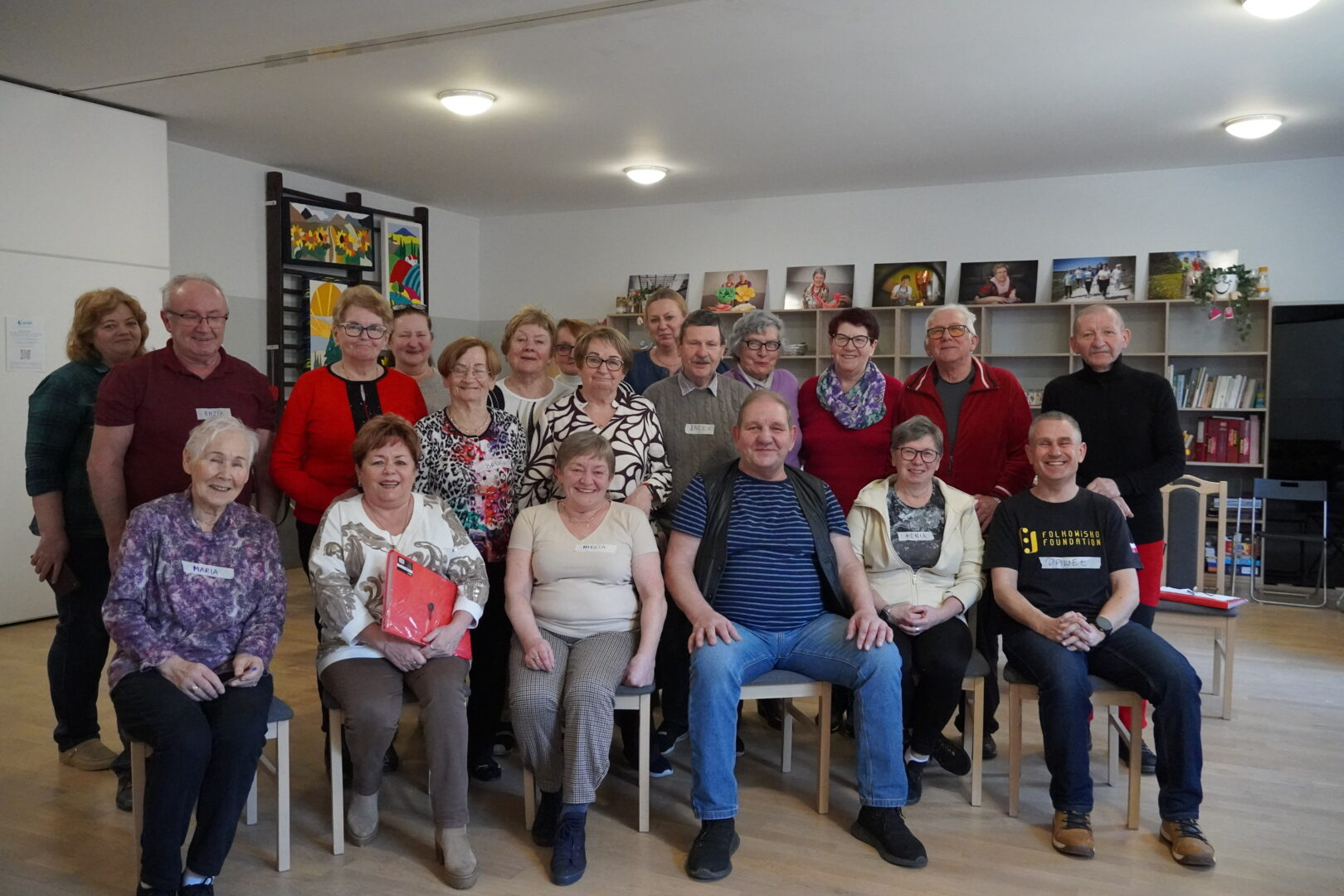
One of the most important distinguishing features of this edition was reaching social groups that are often overlooked in standard crisis management procedures. Projects included, among others, Deaf individuals (providing materials in the Polish Sign Language), elderly people and persons with disabilities (including seniors affected by floods in the Kłodzko district), youth from areas at risk of exclusion, and foster families.
Supporting refugees and migrants was also a crucial element through first aid training conducted in languages such as Ukrainian, Spanish, and English. The direct exchange of experiences with partners from Ukraine proved to be of exceptional value, as they shared unique insights into operating and delivering aid in wartime conditions.
Lasting Results and Technological Independence
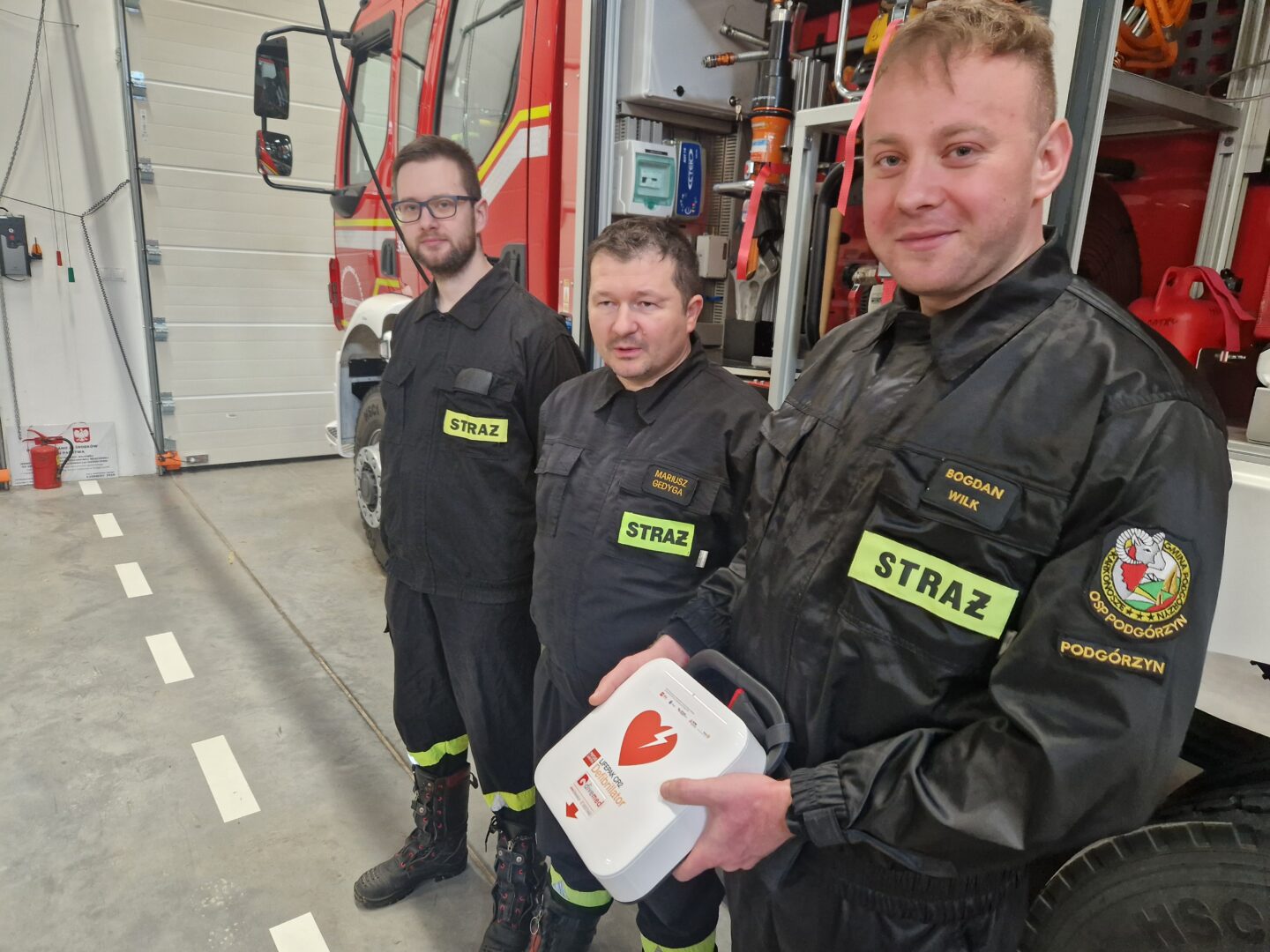
Project implementation provided lasting tangible assets, staffing expertise, and educational materials. In the Opole region, an autonomous radio repeater was launched on Kopa Biskupia, freeing communications from reliance on mobile network outages, while in Greater Poland, the first Mobile Center for Helping Children in Crisis Situations was established. In many locations, emergency power supplies with solar stations and Starlink connectivity were deployed, AED defibrillators were installed in public spaces, and mobile equipment reserves, such as water bowsers and thermal imaging drones, were created.
The sustainability of these initiatives was also secured through staff development: hundreds of first aid instructors, local leaders, and licensed drone pilots were trained to pass on their knowledge without needing additional funding. Furthermore, publicly accessible textbooks, bilingual guides, and crisis volunteer procedures were developed.
Integration with the State System
An important, although challenging, element of the projects was the effort by NGOs to enter into formal agreements with civil protection authorities under Article 19 of the Civil Defense Act. Administrative processes required more time in many cases; however, several organizations successfully signed agreements (including those in Lublin, Ustroń, and Jeżów Sudecki), while others confirmed their presence in the system under separate industry regulations. The established relationships form a solid foundation for further cooperation between state services and the non-governmental sector.
Summary and Outlook
Looking at the results achieved, we feel immense satisfaction and pride in the commitment of the organizations participating in the latest edition of the POP Fund. The developed solutions, new infrastructure, and acquired knowledge will remain a lasting asset, raising the safety and resilience of local communities against crisis situations. We look to the future with great enthusiasm—the experiences of the 5th edition serve as an excellent foundation for planning upcoming editions of the POP Fund grant competition and continuing to expand support wherever it is needed most.
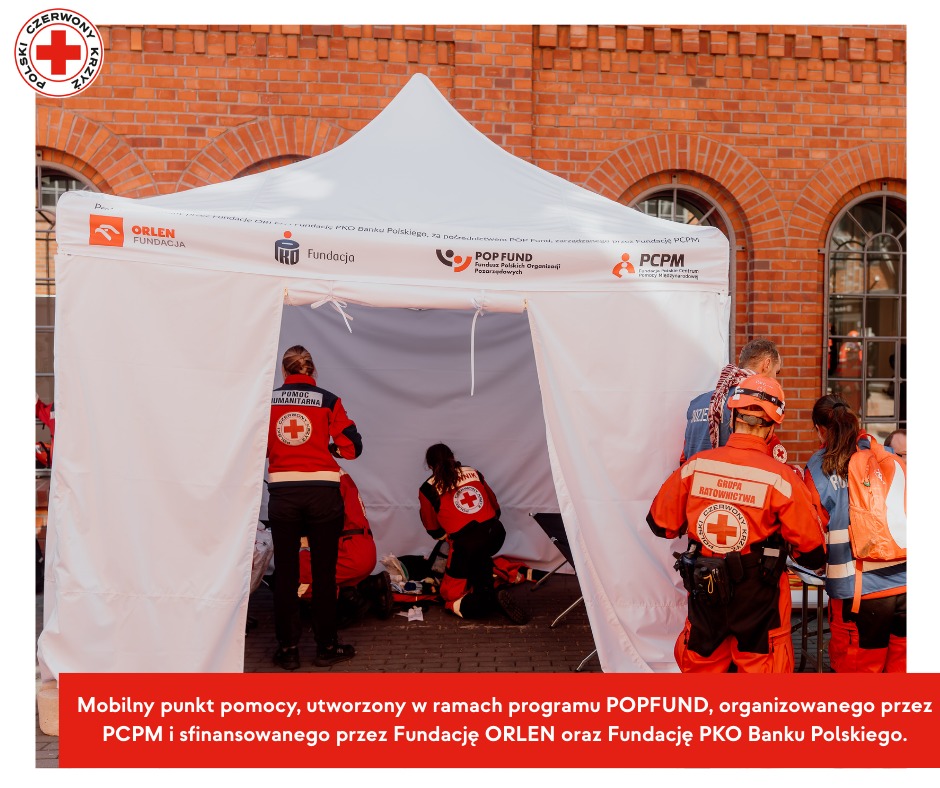
Projects under the “Resilience” edition were funded thanks to the PKO Bank Polski Foundation and the ORLEN Foundation.